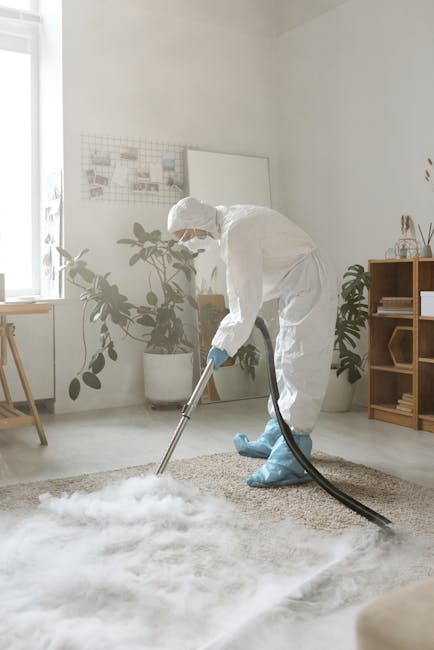
Carpet cleaning Chatsworth Road E5 insider tips for stains
Posted on 29/05/2026
If you live or work near Chatsworth Road, you already know carpets take a beating in a very ordinary, very London way. A bit of rain on the hallway runner. Coffee after the school run. Mud from the market. A dropped plate of pasta that somehow lands face-down on the light carpet, because of course it does. Carpet cleaning Chatsworth Road E5 insider tips for stains is really about knowing what to do quickly, what to leave alone, and when a stain has crossed from "annoying" into "needs proper treatment".
This guide pulls together practical stain advice, local realities, and the sort of judgement that saves a carpet from turning into a permanent reminder of one bad morning. You'll learn how carpet cleaning works, which methods suit which stains, what mistakes make things worse, and how to decide whether to tackle it yourself or get a professional involved. Truth be told, a little timing matters more than most people think.
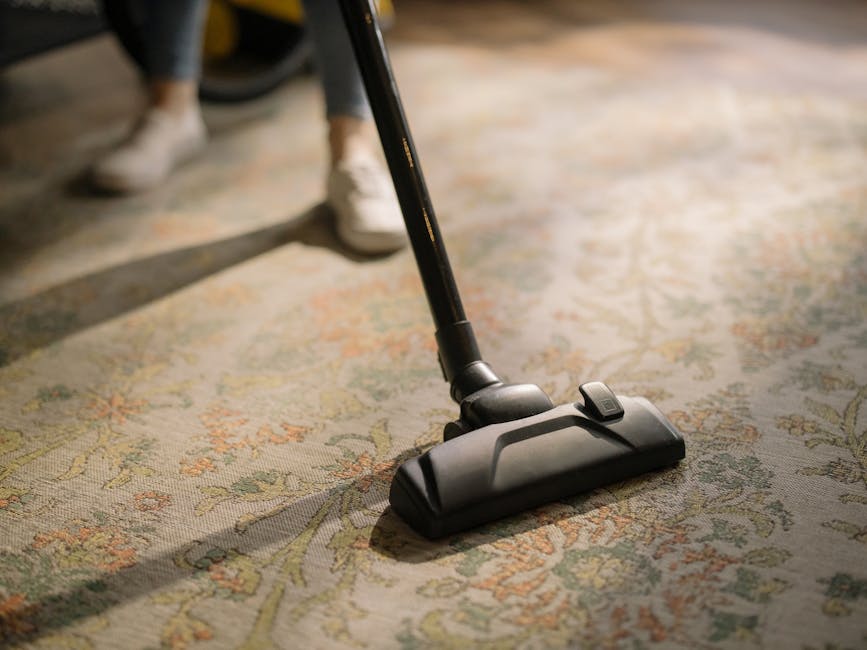
Why Carpet cleaning Chatsworth Road E5 insider tips for stains Matters
Stains are not all the same, and carpets are definitely not all the same either. A wool blend in a Victorian terrace behaves differently from a synthetic carpet in a newer flat. That sounds obvious, but plenty of stain damage starts because someone treats every spill like it's the same problem. It isn't.
Chatsworth Road has its own rhythm. A busy stretch, family homes, shops, pets, visitors, takeaway boxes, wet shoes, the lot. So when people search for carpet cleaning Chatsworth Road E5 insider tips for stains, what they usually want is practical judgement. Not a fluffy promise. They want to know how to stop a stain from setting, how to avoid making a mark spread, and how to keep the carpet looking decent without over-wetting it or scrubbing the life out of the fibres.
That matters for a few reasons:
- Appearance: stains draw the eye, even when the rest of the room is tidy.
- Hygiene: food, drink, pet accidents, and tracked-in grime can leave residue behind.
- Fibre protection: some stains react badly to heat, bleach, or rough treatment.
- Long-term value: a carpet that's cleaned properly tends to last longer and hold its shape better.
There's also a confidence factor. Once you know what works, you stop panicking over every spill. And that, to be fair, is half the battle.
Expert summary: The fastest route to better stain removal is not more force, but better judgement: identify the stain, blot first, test a cleaning solution in a hidden area, and avoid saturating the carpet pile.
How Carpet cleaning Chatsworth Road E5 insider tips for stains Works
At its simplest, carpet cleaning removes soil, residues, and stain particles from the carpet fibres and backing. But stain treatment is a little more subtle than general cleaning. The method depends on what caused the stain, how long it has sat there, and what the carpet is made from.
Most professional approaches follow a sequence like this:
- Inspection: the cleaner looks at fibre type, stain type, traffic patterns, and any worn areas.
- Pre-treatment: a targeted solution is applied to break down the stain or loosen oily residues.
- Agitation or dwell time: the product is given time to work, or gently worked into the fibres.
- Extraction or blotting: soil and residue are removed using appropriate equipment or absorbent cloths.
- Rinse and drying: the area is left with minimal residue and dried properly to reduce re-soiling.
For households near Chatsworth Road, the most common stain scenarios are usually food spills, tea and coffee, wine, pet accidents, mud, and general blackened traffic areas by the entrance. Each one behaves differently. Coffee, for example, can leave a tannin stain that spreads if you pour too much water on it. Grease is more likely to resist plain water and needs a different approach. Pet accidents are their own category because you are dealing with both visible staining and odour concerns.
A good cleaner does not just "remove the mark". They protect the carpet from fibre distortion, colour loss, and the dreaded reappearing stain. Yes, that really happens. A stain can seem gone at 2 pm and creep back at 8 pm if residue rises as the carpet dries. Annoying? Absolutely.
Key Benefits and Practical Advantages
Good stain handling does more than make a carpet look better for one evening. There are practical advantages that show up over time, and they are worth paying attention to.
Cleaner results that last longer
When the right stain treatment is used, there is less residue left behind. That matters because residue attracts new dirt. If you've ever cleaned a patch only to notice it darken again within a week, residue may be the reason.
Less risk of damage
Over-scrubbing can distort pile, and strong chemicals can strip colour or leave pale patches. A careful process lowers that risk. For delicate carpets, that makes a big difference.
Better indoor feel
It sounds small, but a properly cleaned carpet changes the room. The air smells fresher, the fibres look brighter, and the whole space feels less tired. Small thing. Big difference.
Improved chances of stain removal
Fresh stains are always easier to remove than old ones. The right early response can stop a problem becoming permanent. That's one of the most useful insider truths in carpet care.
Smarter spending
Sometimes a spot clean is enough. Sometimes a full room clean is the better call. Knowing the difference helps avoid paying for more than you need. If you're comparing options, a broader domestic cleaning service can also help when the carpet stain is part of a larger household refresh.
Who This Is For and When It Makes Sense
This topic is useful for a surprisingly wide group. You do not need to be dealing with a disaster-level stain to care about it.
- Homeowners and renters who want to keep carpets presentable without replacing them too soon.
- Families with children who know spills happen in under ten seconds, usually between rooms.
- Pet owners dealing with accidents, muddy paws, and the occasional mystery mark.
- Landlords and letting agents who need carpets cleaned properly before inspections, check-ins, or handovers.
- Small businesses near Chatsworth Road that want a neat, professional interior for customers.
It makes sense to act quickly if the stain is fresh, the carpet is light-coloured, or the affected area is on a visible walkway. It also makes sense to pause and get advice if you're unsure whether the carpet is wool, synthetic, or a blend. That bit matters more than people think.
If you're unsure what kind of cleaning your carpet needs, a specialist stain treatment or a full professional carpet cleaning service may save you from making a small problem worse. Better that than a bright patch in the middle of the room. Nobody wants that.
Step-by-Step Guidance
Here's the practical bit. If you act quickly and calmly, you improve your odds a lot.
1. Identify the stain first
Ask yourself what caused it. Food? Drink? Mud? Grease? Pet accident? Ink? If you do not know, treat it as unknown and start gently. Guessing wrong can set the stain deeper.
2. Blot, do not rub
Use a clean white cloth or plain paper towel and press lightly from the outside in. Rubbing spreads the mark and pushes it deeper into the fibres. It also roughs up the pile, which is just irritating.
3. Remove solids carefully
If there is anything solid on top, lift it away with a spoon or blunt edge. Do not push it further in. For sticky residue, remove the excess before adding moisture.
4. Test in a hidden spot
Always test your chosen solution in a discreet corner or under furniture. This matters especially with wool carpets or coloured dyes. A few minutes of caution can save a lot of regret.
5. Apply a small amount of solution
Use the minimum effective amount. Lightly dampen the area rather than soaking it. Too much liquid can push the stain downward or cause wicking, where the stain returns from below the surface as it dries.
6. Blot again and repeat gently
Work in small cycles. Apply, wait, blot. That's usually better than one aggressive attempt. You may need patience here. Not glamorous, but effective.
7. Rinse lightly if needed
If you have used a cleaning solution, a very light rinse can help remove residue. Use care not to flood the area. Residue is one of those sneaky reasons carpets look dull after a DIY clean.
8. Dry properly
Open a window if weather allows, use airflow, and avoid walking on the area until it is dry. In a damp London afternoon, that can take a bit longer than you'd like. Still, better dry slowly than stay soggy.
9. Reassess once dry
Some stains only reveal their true behaviour after drying. If the mark remains, or if a shadow appears, you may need a deeper treatment rather than more scrubbing.
Expert Tips for Better Results
There are a few small habits that improve results a lot. They're the sort of things experienced cleaners do without making a song and dance about it.
Match the stain treatment to the stain type
Protein stains, tannin stains, greasy stains, and dye-based stains need different handling. Coffee and tea are not the same as mayonnaise or red wine. If you only remember one thing from this guide, remember that.
Work from the outside edge inward
This stops the stain from spreading. It sounds basic, because it is, but basic steps are often the ones people skip when they're in a rush.
Use white cloths only
Coloured towels can transfer dye, especially on damp carpets. White cloths make it easier to see what you're lifting out too.
Keep an eye on carpet construction
Loop pile, cut pile, wool, nylon, polyester, and blends all behave differently. Some fibres are more forgiving. Others, not so much. If the carpet is expensive or old, err on the side of caution.
Deal with odour and stain together
For pet issues especially, removing the visible stain is only half the job. If odour lingers, the problem may come back in a different way. A proper treatment should address both.
Don't chase perfection with harsh chemicals
Sometimes the goal is "significantly improved" rather than "brand new". That's a healthy standard. A spotless result is nice, but a damaged carpet is worse.
If you are already planning a more thorough clean, related services such as end of tenancy cleaning can be useful when stain removal is part of a wider move-out or inspection clean. It keeps the job joined up rather than piecemeal.
Common Mistakes to Avoid
This is where a lot of good intentions go sideways. Not because people are careless, but because stain panic makes everyone act a bit too fast.
- Rubbing the stain aggressively: this spreads the mark and damages fibres.
- Using too much water: it can drive the stain deeper or create wicking.
- Applying bleach casually: bleach can strip colour and leave permanent pale patches.
- Mixing chemicals: that is risky, and not worth improvising over.
- Ignoring drying time: damp carpets attract soil faster and may smell musty.
- Waiting too long: older stains bond more firmly to fibres and backings.
- Assuming every stain is removable: some marks fade but do not fully vanish, especially after heat or age has set them.
A small but important warning: if a stain came from a product you do not fully recognise, be careful. Cleaning one unknown chemical with another is not clever, just a bit reckless. If in doubt, stop and get professional advice.
Tools, Resources and Recommendations
You do not need a giant kit to handle everyday spills well. A sensible small toolkit is usually enough.
- White microfibre cloths: good for blotting without dye transfer.
- Plain paper towels: useful for the very first absorb step.
- Soft brush or upholstery brush: for gentle agitation when appropriate.
- Small spray bottle: helps apply a controlled amount of solution.
- Dry towel or fan: supports drying after treatment.
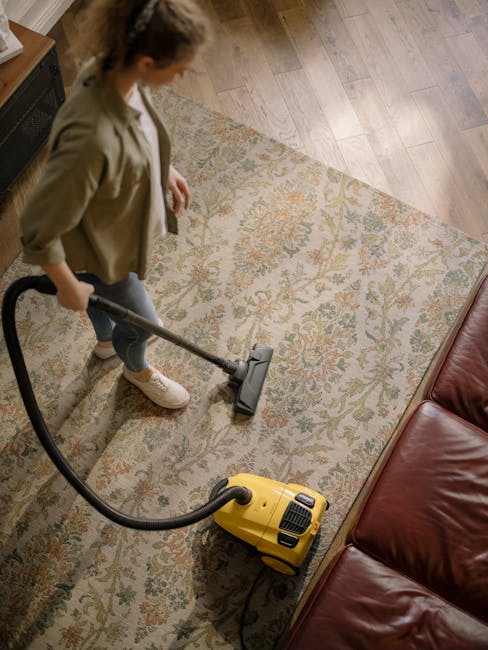
- Vacuum cleaner: handy before and after treatment to lift loosened debris.
For tougher marks, a professional-grade hot water extraction method or specialist spot treatment may be more appropriate. If you are comparing options, a local home cleaning service may also help keep high-traffic carpets from reaching the stain stage in the first place. Prevention is unglamorous, yes, but it works.
A practical recommendation: keep a small stain-response kit in a cupboard, not buried behind the Christmas decorations. The first five minutes after a spill are often the most useful ones.
Law, Compliance, Standards, or Best Practice
For ordinary domestic carpet cleaning, there usually is not much in the way of formal legal complexity. But there are still sensible standards and responsibilities to keep in mind, especially in rented homes, shared buildings, and commercial spaces.
In UK practice, cleaners and property managers are expected to act safely, use suitable products, and avoid creating hazards such as overly wet floors, trip risks, or strong chemical exposure. If you are a tenant, landlord, or managing agent, it is wise to follow your tenancy agreement, inventory expectations, and any building rules about access, ventilation, or waste disposal.
From a best-practice standpoint, the safest approach is:
- use products suitable for the carpet fibre;
- avoid mixing cleaning chemicals;
- test solutions before wider use;
- keep the area ventilated;
- allow enough drying time before full use;
- document any pre-existing damage in rental or commercial settings.
If you are preparing a property for the market or handover, it can also help to align carpet work with a broader office cleaning or property-cleaning schedule, especially where foot traffic, stain risk, and presentation all matter together. Common sense here goes a long way. No need to overcomplicate it.
Options, Methods, or Comparison Table
Different stains and carpet types call for different approaches. Here is a simple comparison to help you judge what fits best.
| Method | Best for | Strengths | Limitations |
|---|---|---|---|
| Blotting and mild spot treatment | Fresh spills, small marks | Quick, low-cost, low risk | May not remove old or deep stains fully |
| DIY carpet shampoo or spray cleaner | Light household staining | Convenient, accessible | Can leave residue if overused |
| Hot water extraction | Set-in stains, broader soiling | Deep cleaning, better residue removal | Needs proper drying and suitable fibre compatibility |
| Specialist stain treatment | Wine, ink, pet accidents, grease | Targeted formulas, better odds on stubborn marks | Sometimes requires professional handling |
| Full room carpet clean | Multiple stains, traffic lanes, dull appearance | More even finish, better overall refresh | More time and cost than a small spot clean |
So which one should you choose? If the mark is fresh and small, start small. If the stain is old, unknown, or on a valuable carpet, a more careful method is usually the better call. Let's face it, carpets do not reward guesswork.
Case Study or Real-World Example
Here's a realistic example, without dressing it up too much. A family near Chatsworth Road had a pale hallway carpet with a coffee spill from a rushed school-morning juggle. By the time they noticed it, the stain had partly dried and the edge had already darkened. Not ideal.
Instead of scrubbing, they blotted lightly, lifted the excess, and tested a gentle solution in a hidden area. They worked in small steps, then used airflow to dry the patch properly. The mark did not disappear in a dramatic magic trick way. That would be a film, not carpet care. But it improved enough that the carpet no longer pulled the eye every time someone walked past.
The real win was that they avoided two common problems: fibre damage from rubbing and a larger stain halo from too much water. They also learned a useful local-life lesson. If you spill coffee before 8:30 on a grey weekday morning, do not rush the cleanup. Slow down for two minutes. Those two minutes can save a carpet.
For homes that regularly deal with guests, pets, or busy foot traffic, pairing stain treatment with more regular carpet cleaning can keep the whole space looking more even and lived-in, rather than patchy and tired.
Practical Checklist
Use this quick checklist when a stain appears. Simple, but useful.
- Identify the stain type if you can.
- Blot immediately with a white cloth or paper towel.
- Lift solids carefully before adding liquid.
- Test any cleaner in a hidden area first.
- Use the smallest effective amount of solution.
- Work from the outside of the stain inward.
- Avoid rubbing, scrubbing, or over-wetting.
- Rinse lightly if the product calls for it.
- Dry the area with airflow and patience.
- Check again once dry for shadowing or reappearing marks.
Key takeaway: fast, gentle, fibre-aware stain treatment usually beats brute force. That's the whole game, really.
Conclusion
Carpet stain removal on Chatsworth Road, E5 is less about miracle products and more about good judgement, quick action, and knowing when to stop. If you treat the right stain the right way, you can protect the carpet, save money, and keep your home or business looking cared for without unnecessary stress.
Fresh spills, old marks, pet accidents, muddy entrances, coffee mishaps after a wet commute - they all have their own logic. Once you understand that logic, carpet care becomes a lot less intimidating. And honestly, that makes everyday life feel a bit easier.
If your carpet has a stubborn stain, or you're not sure which method is safest, getting tailored help is often the most sensible next step. A careful, well-matched clean is usually better than a rushed experiment.
Get a free quote today and see how much you can save.